Parallel continuous yellow lines along the side of the road
No parking at all times on that side.
Double unbroken yellow lines along the side of the road
No parking at any time on that side, except to pick up or let down passengers immediately.
What traffic signs are for
To regulate traffic movements, and to warn and guide road users.
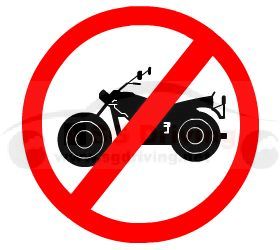
Meaning of this sign
No entry for motorcycles.
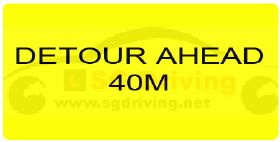
Meaning of this sign
Detour ahead: slow down and get ready to follow it.
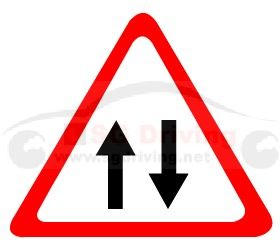
Meaning of this sign
Black letters on a white background with black borders, showing the way to facilities.
You may turn left on a red light, after stopping and giving way to pedestrians and other traffic.
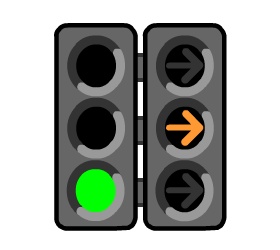
Green light with an amber arrow
Turning traffic must stop unless already past the stop line. You may go straight.
A flickering 'Green Man' signal
Pedestrians should not start to cross.
Usually circular with a blue background. They are compulsory: disobeying them is an offence.
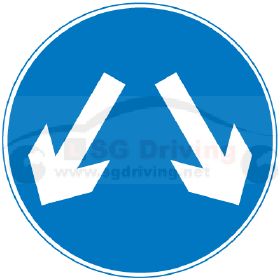
Meaning of this sign
Vehicles may pass on either side.
Parallel continuous white lines along the centre of the road
Do not cross them, and no parking on either side of the road at all times.
Required at the rear of goods vehicles, trailers and mobile cranes longer than 10 metres.
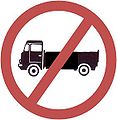
Meaning of this sign
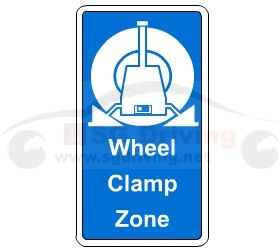
Meaning of this sign
Vehicles parked in this zone may have their wheels clamped.
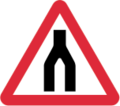
Meaning of this sign
Dual carriageway ends: slow down, keep left and beware of oncoming traffic.

Meaning of this sign
Blind people may be crossing the road.
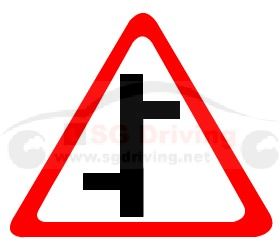
Meaning of this sign
Beware of traffic coming from the right and the left.
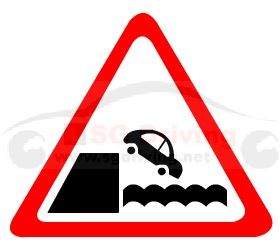
Meaning of this sign
Sea, quay or river bank ahead.
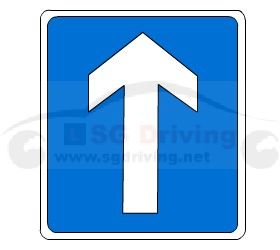
Meaning of this blue rectangular sign
One-way traffic: you may turn right or left into a side road. Do not confuse it with the blue circular 'Ahead only' sign.
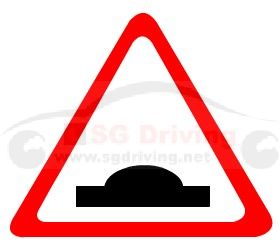
Meaning of this sign
Road hump ahead: slow down, keep left and do not overtake.
Full-day bus lane (red line beside the yellow line): when it operates
Mondays to Saturdays, 7.30am to 11.00pm. Not on Sundays or public holidays.
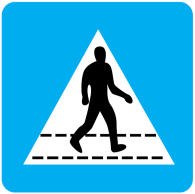
Meaning of this sign
Designated pedestrian crossing: give way to pedestrians.
Who may use a bus lane during its operating hours
Buses (omnibuses, at all times), bicycles, and emergency and police vehicles.
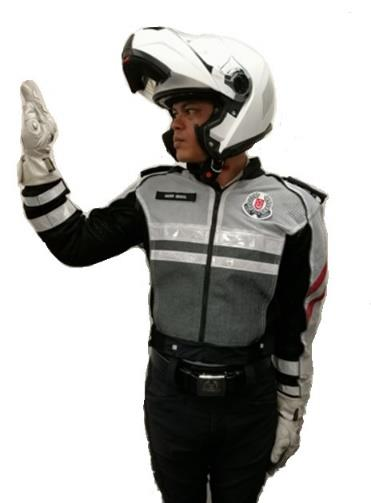
This signal from a police officer
Vehicles from the officer's right, front and behind must stop. Vehicles from the left may go.
Traffic Information Display.

Meaning of this sign
Where Traffic Sign Displays (TSD) are found
On the centre divider of expressways. They warn of bad traffic conditions or tell you to change lanes.
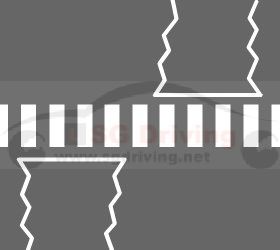
Pedestrians at a zebra crossing with zig-zag lines
They must cross only on the zebra crossing itself, not on the zig-zag area.
Green, then amber, then red.
A vehicle marked 'DANGER HIGHLY FLAMMABLE'
It carries dangerous goods: keep well away from it.

Red light with a flickering green arrow
The arrow is about to go off. Do not turn if you have not crossed the stop line.

Meaning of this sign
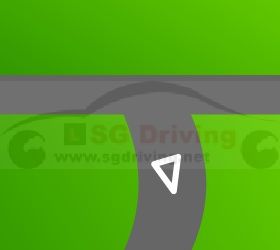
This road marking: parallel broken white lines across the road
Give way to traffic on the major road ahead.
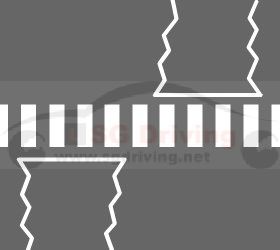
Meaning of this road marking
Pedestrian crossing ahead: slow down.
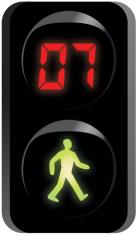
The number on this pedestrian crossing signal
The seconds left for pedestrians to cross.
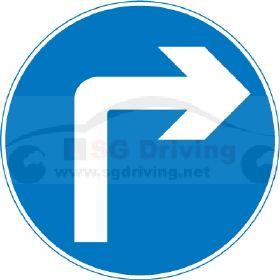
Meaning of this sign

Meaning of this sign
Stop: stop close to, but before, the white stop line.
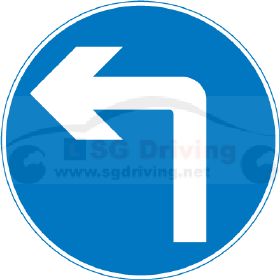
Meaning of this sign

Meaning of this sign
No stopping at all times.

This EMAS symbol
Accident ahead: beware of stopped vehicles.

Meaning of this sign
No left turn: vehicles may only go straight or turn right.
SH Shoulder, LN Lane, VEH Vehicle, AFT After, BEF Before.
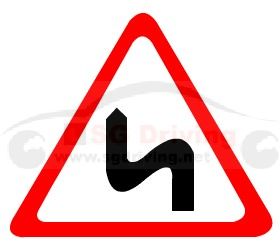
Meaning of this sign
Slow down, keep left and do not overtake.
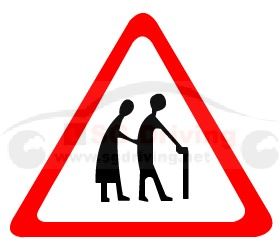
Meaning of this sign
Elderly or disabled people may be crossing: slow down.
A centre line that still allows parking at the roadside
A broken white line (unless other markings or signs say otherwise).
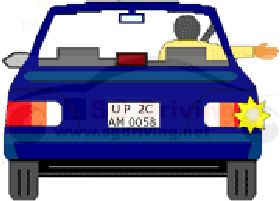
This hand signal from a driver
The driver intends to move out to the right or turn right.
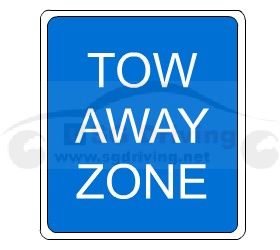
Meaning of this sign
Vehicles parked in this zone may be towed away.
A police officer directing traffic
Their signals override traffic lights, traffic signs, road markings and traffic regulations.

Meaning of this sign
Red light with a green arrow, when you want to turn
Go in the direction of the arrow, after making sure oncoming traffic is clear.
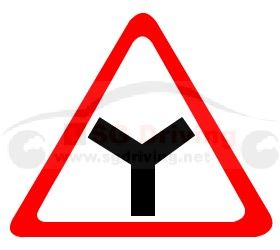
Meaning of this sign
Y junction ahead: slow down.
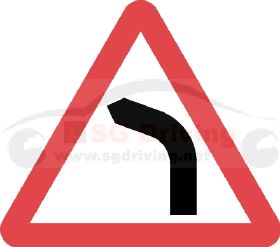
Meaning of this sign
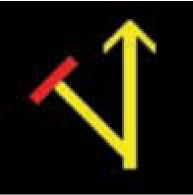
This EMAS symbol
Exit Closed Ahead: use another exit.
A white line with STOP painted on the road
Stop close to, but before, the line.
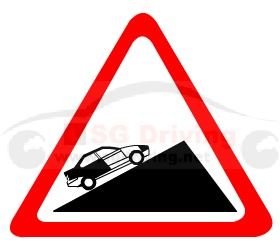
Meaning of this sign
Steep upward slope ahead.
Stop behind the stop line if you are going in that direction. On a green light, you may still go straight.
White text on a brown background, with white borders, arrows and pictures.
This EMAS symbol
An event on the road: drive with care and expect delays.
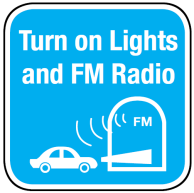
Meaning of this sign
Switch on your headlights and tune in to the FM radio, so you can hear emergency announcements in the tunnel.

Meaning of this sign
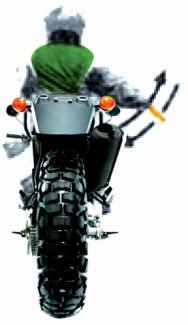
This hand signal from a motorcyclist
The motorcyclist intends to slow down.
Traffic signs and signals
Always obey them, whatever the traffic flow.
Single continuous white line along the centre of the road
Centre line of a two-way road. Keep to its left. No parking on either side at all times; cross it only when the road ahead is clear and safe.
Flashing amber traffic light
The lights are out of order. Proceed with caution and give way to traffic on your right, as at an uncontrolled junction.
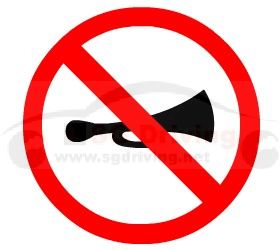
Meaning of this sign
No sounding of horns, except to prevent an accident.
Shows the estimated travel time to selected exits, at expressway entrances.
Directional signs with yellow letters on green and yellow borders
Older signs to expressway destinations, being phased out.
Red light with no other traffic around
Wait for the green light. Never move off against a red light.
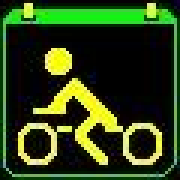
This EMAS symbol
A cycling event on the road: drive with care and expect delays.

Meaning of this sign
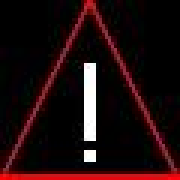
This EMAS symbol
Caution: slow down and beware of road conditions such as road sweeping, tree pruning, spillage or debris.
Lorry with a 60 km/h vehicle speed limit on a 70 km/h road
60 km/h: buses, goods vehicles and trailers keep to the lower of their own limit and the road limit.
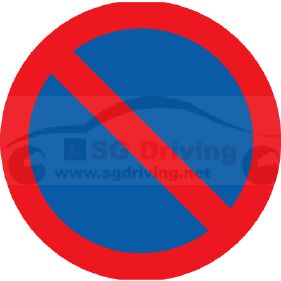
Meaning of this sign
Vehicles may stop only to let passengers board or alight.
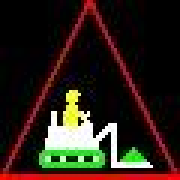
This EMAS symbol
Roadworks ahead: slow down and beware of roadwork activities.

Meaning of this sign
Slow down and be ready to stop for children crossing the road.
Road humps and speed bumps
They are there to slow motorists down: slow down when approaching.
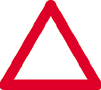
Distance to place this breakdown warning sign
At least 20 metres behind the broken-down vehicle.
How EMAS numbers expressway lanes
From the fast lane to the slow lane, not counting the shoulder. Lane 1 is the fast (rightmost) lane.

Meaning of this sign
The road ahead narrows on one side.
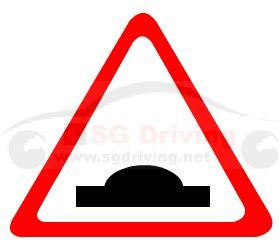
Meaning of this sign
Parking or waiting in a bus lane
Not allowed at any time, even outside its operating hours.

Meaning of this sign
No vehicles above 10 tonnes, with or without load.
Parallel continuous white lines along the centre of the road
Keep to the left of them. Do not cross them, and do not park on either side of the road at any time.
A red cross on a Traffic Information Display (TID)
Where an incident has happened, shown against the expressway exits or road names.
For buses only. Other vehicles must wait.
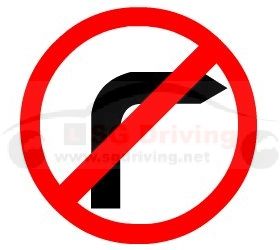
Meaning of this sign
Where Traffic Information Displays (TID) are found
Along expressways and selected major arterial roads, showing traffic conditions ahead.
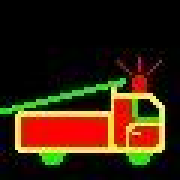
This EMAS symbol
Fire engine: look out for it and give way.
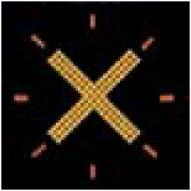
This flashing signal above your lane in a tunnel
The lane is open, but there may be an obstruction ahead. Slow down and be ready to change lane.
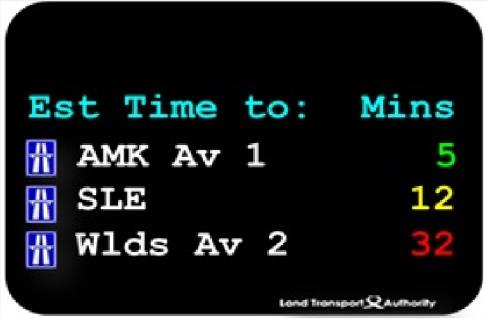
Travel time shown in red on a Travel Time Display
The journey is taking much longer than normal. Green: normal or up to 50% more. Yellow: 50% to 125% more.
What a warning sign tells you
Take extra care and slow down as you approach. Never ignore it.
Destination in white text on a blue background, on a directional sign
An expressway destination.
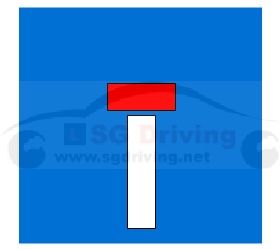
Meaning of this sign
The road ends in a short distance.
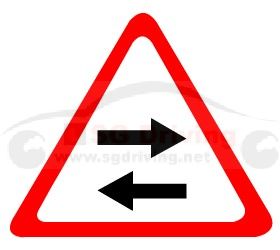
Meaning of this sign
Two-way traffic crosses a one-way road ahead.
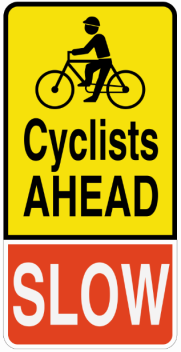
Meaning of this sign
Cyclists ahead: slow down and look out for them.
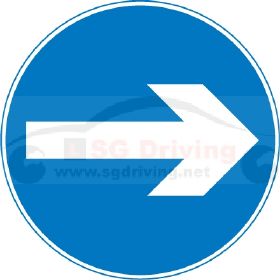
Meaning of this sign
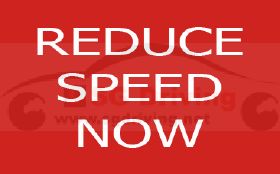
Meaning of this sign

Meaning of this sign
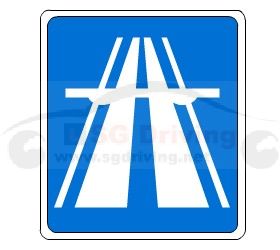
Meaning of this sign
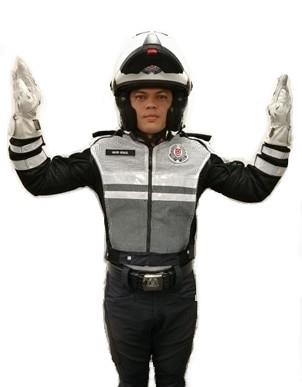
This signal from a police officer
Vehicles from all directions must stop.
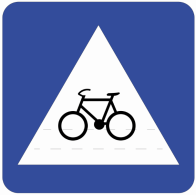
Meaning of this sign
Bicycle crossing: slow down and look out for cyclists crossing.
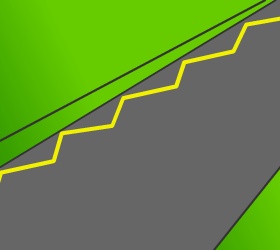
Single yellow zig-zag line along the side of the road
No parking at all times: stop only for passengers to board or alight.
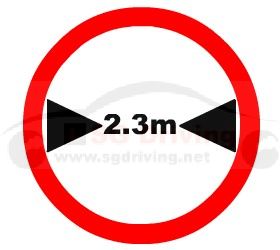
Meaning of this sign
No entry for vehicles wider than 2.3 metres.
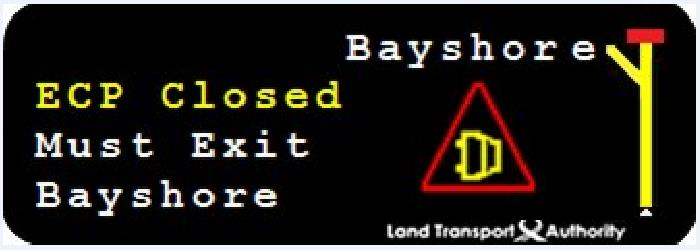
A flashing red bar on a Traffic Information Display (TID)
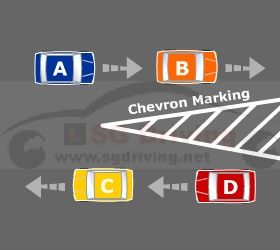
Chevron markings on the road
They channel traffic. Do not drive or park on them.

Meaning of this sign
Parking beside a single yellow zig-zag line
Never allowed. You may only stop briefly to let passengers board or alight.
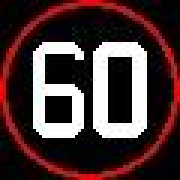
This EMAS symbol
Drive at the recommended speed of 60 km/h.

Meaning of this sign
Parking place for all vehicles.
Black text on a white background, on a directional sign
Information on the road you are approaching.
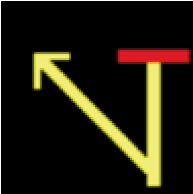
This EMAS symbol
Must Exit: the expressway is closed ahead, leave it at the next exit.
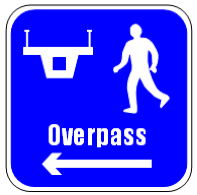
Meaning of this sign
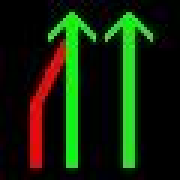
This EMAS symbol on a 3-lane expressway
An obstruction in lane 3 (the slow, leftmost lane). Slow down and be ready to change lane.

Meaning of this sign
Traffic lights ahead: slow down and be ready to stop.
Shape of information, facility and service signs
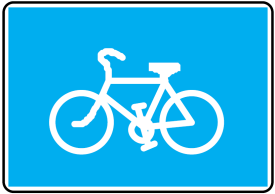
Meaning of this sign
When other vehicles may drive in a bus lane
Outside its operating hours, and all day on Sundays and public holidays. Normal bus lanes are also free on Saturdays.
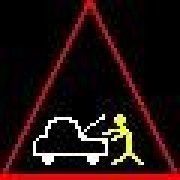
This EMAS symbol
Vehicle breakdown ahead: slow down and beware of the breakdown vehicle and motorists.

Meaning of this sign
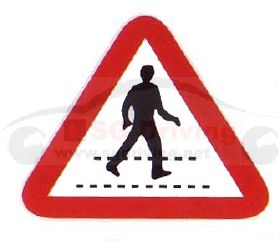
Meaning of this sign
Pedestrian crossing ahead: slow down and be ready to stop for pedestrians.
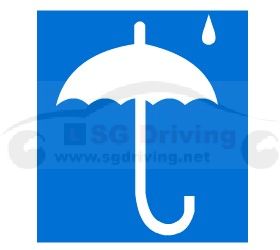
Meaning of this sign
Rain shelter for motorcyclists.

Meaning of this sign
No entry for vehicles with 3 or more axles.
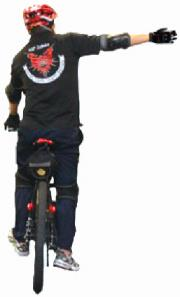
This hand signal from a cyclist
The cyclist intends to move out to the right or turn right.
A road where you may cross the centre line but may not park on either side
One with a single continuous white line along the centre.
Single continuous yellow line along the side of the road
No parking 7.00am to 7.00pm. Parking is allowed outside these hours, and all day on Sundays and public holidays.

Meaning of this sign
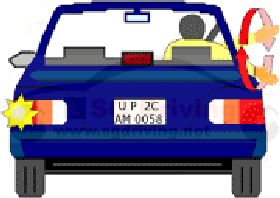
A driver rotates an arm in a circle out of the window
The driver intends to move in to the left or turn left.
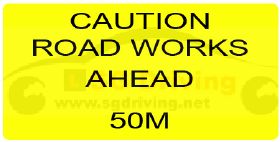
Meaning of this sign
Road works ahead: slow down.

Meaning of this sign
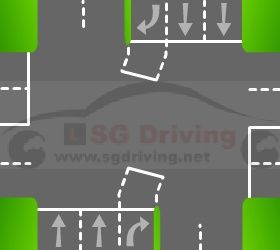
Right-turn pocket
Wait inside it until it is clear and safe to complete the turn.
Electronic Road Pricing: a charge for using the road during its operating hours.
White zig-zag lines on the road
A pedestrian crossing is ahead. Slow down; do not stop, overtake or park there.
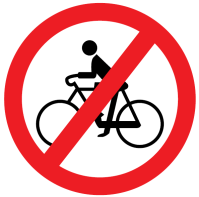
Meaning of this sign
No riding of pedal cycles beyond this point.
Steady amber traffic light
Stop, unless you are too close to the stop line to stop safely.
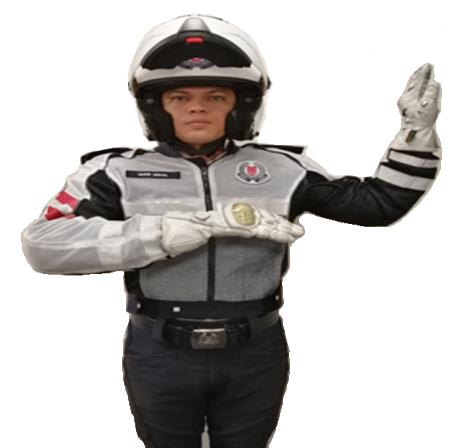
This signal from a police officer
Right-turning vehicles in front may go. All others stop.

Meaning of this sign
Give way: slow down and give way to traffic on the major road.

Meaning of this sign
No entry for all vehicles.
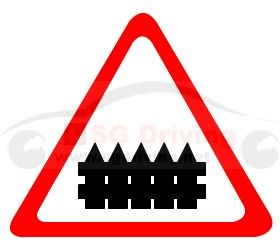
Meaning of this sign
Level crossing with gates: slow down, the gate may be closing.
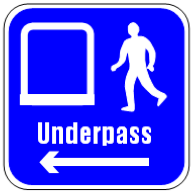
Meaning of this sign
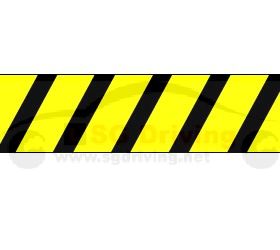
Meaning of this sign
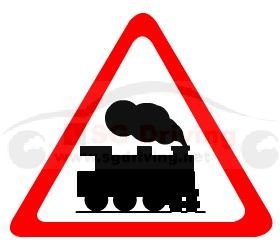
Meaning of this sign
Level crossing: slow down and beware of an approaching train.

Meaning of this sign
No entry for motorcycles and pedal cycles.
Double yellow zig-zag lines along the side of the road
No stopping at all times on that side.
Directional signs to destinations not along expressways
White letters on a green background with white borders.
Dropping off a passenger beside double yellow zig-zag lines
Not allowed: no stopping at any time.
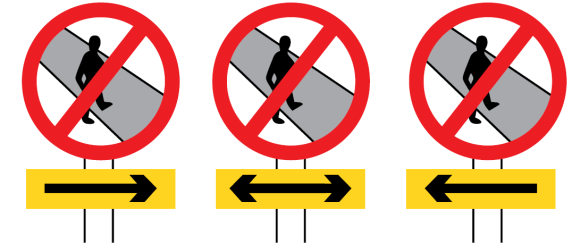
Within the area marked by these Pedestrian Crossing Prohibition signs
Pedestrians must use the designated crossing.
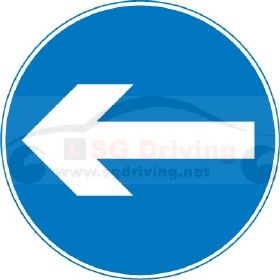
Meaning of this sign
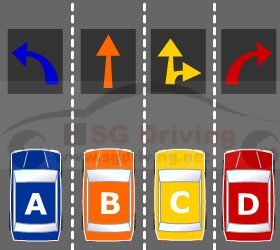
Direction arrows in this picture
Car B must only go straight. Obey the arrow marked in your lane.
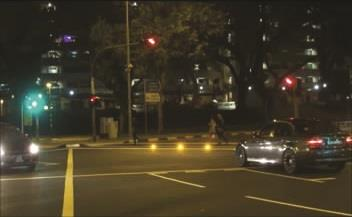
Intelligent road studs at a pedestrian crossing
They blink when the 'Green Man' comes on, warning turning vehicles to give way to pedestrians.
Broken white line along the centre of the road
Centre line of a two-way road. Keep to the left of it; cross it only when the road ahead is clear and safe.
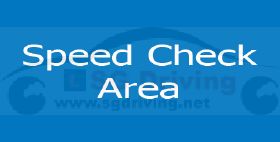
Meaning of this sign
Speed Check Area: make sure you are driving within the speed limit.

Meaning of this sign
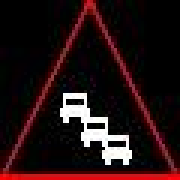
This EMAS symbol
Congestion ahead: slow down and drive carefully.
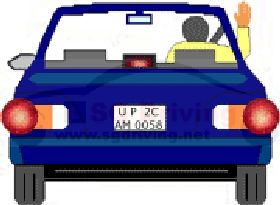
This hand signal from a driver
The driver intends to stop.
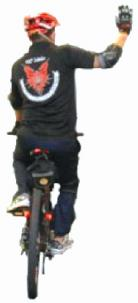
This hand signal from a cyclist
The cyclist intends to stop.
Expressway Monitoring and Advisory System.
The two types of directional signs
Advance Directional Signs and Confirmation Directional Signs.
The light turns amber just after you crossed the stop line
Proceed and clear the junction.

Meaning of this sign
The road on the right is a dead end: it does not lead to another road.
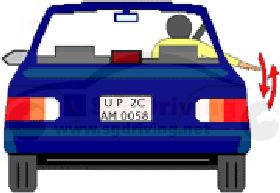
This hand signal from a driver
The driver intends to slow down.

Meaning of this road marking
Two traffic lanes are merging into one.
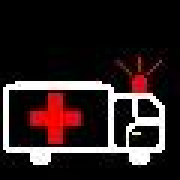
This EMAS symbol
Ambulance: look out for it and give way.
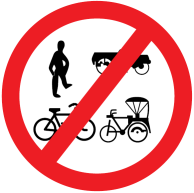
Meaning of this sign
No entry for pedestrians and pedal cycles (bicycles, tricycles and trishaws).
Normal bus lane (continuous yellow line): when it operates
Mondays to Fridays, 7.30am to 9.30am and 5.00pm to 8.00pm. Not on Saturdays, Sundays or public holidays.
Shape and colour of most directional signs
Rectangular with a green background.
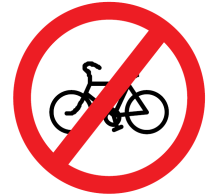
Meaning of this sign
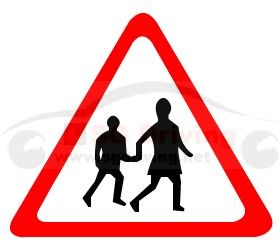
Meaning of this sign
Children crossing: slow down.
Usually circular with red borders. Obey them at all times: disobeying them is an offence.
Approaching a traffic light junction
Slow down, so that you can stop safely if the lights change.

Meaning of this sign
Sharp deviation: drive in the direction shown.
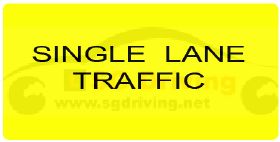
Meaning of this sign
Traffic merges into a single lane: slow down and give way.
Confirmation Directional Sign vs Advance Directional Sign
A Confirmation Directional Sign has a chevron at one end pointing the way. An Advance Directional Sign does not.
Tap the card to flip it. Use the arrow keys or swipe to move.
All flash card sets